Natural light
Use open shade or a gentle angle to keep highlights on wet scales. Harsh direct light can hide marks in reflection and deep shadow.
Field photography
The best identification photograph is prepared, brief and honest about its limits. It records anatomy and context without making a live fish wait for the camera.
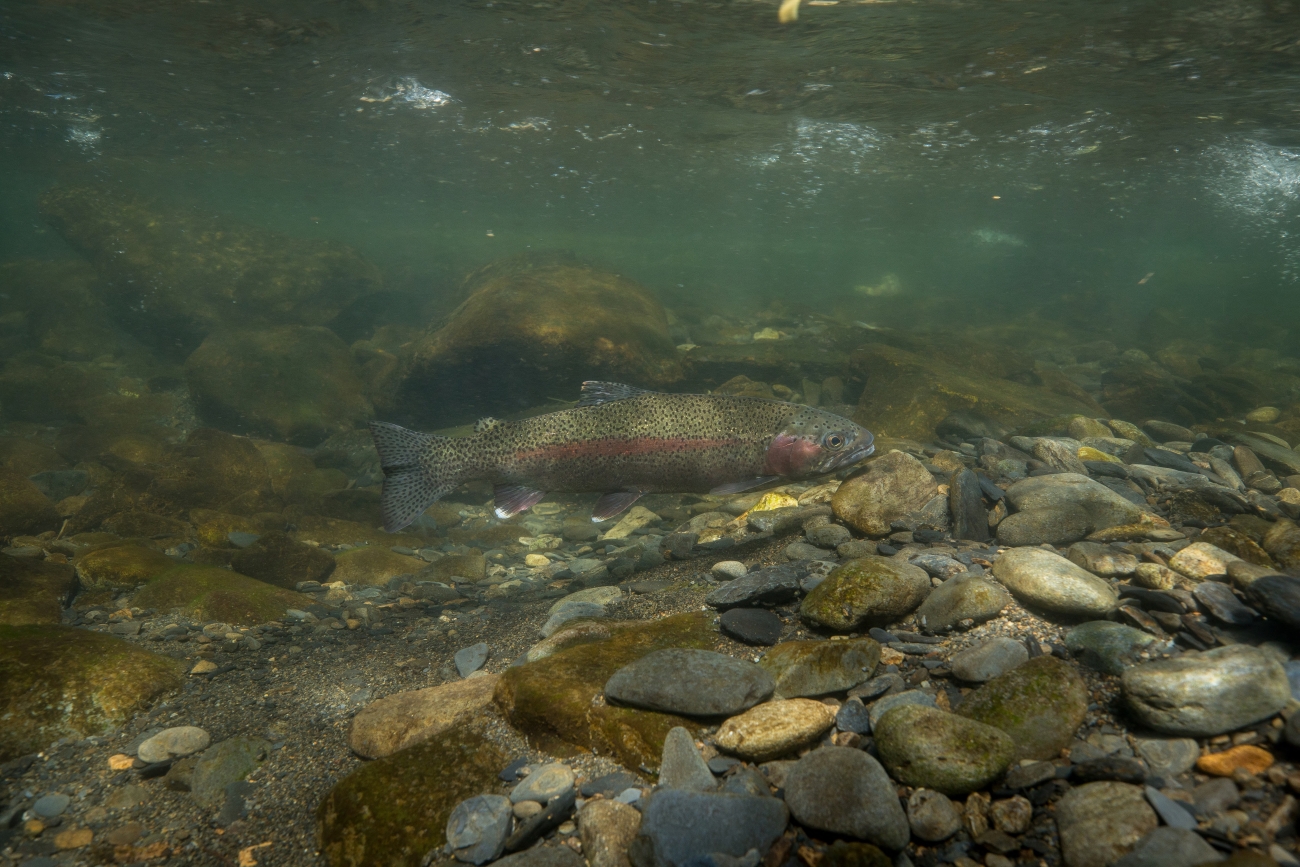
Use open shade or a gentle angle to keep highlights on wet scales. Harsh direct light can hide marks in reflection and deep shadow.
Change camera angle before adding equipment. A polarizing filter can help in some directions but also alters brightness and color.
Focus on the eye or key flank mark, then include the head, complete fins and tail in a wider frame. Avoid digital zoom when it destroys detail.
A safe, non-contact reference can help estimate size. A second habitat image records substrate, vegetation and visible water conditions.
Prepare the composition first. Keep the fish in water whenever possible, use wet hands when handling is unavoidable, support the body and minimize time out of water. If the animal is stressed, release it and leave the photograph unmade.